Drones: A New Tool in the Search and Rescue Box
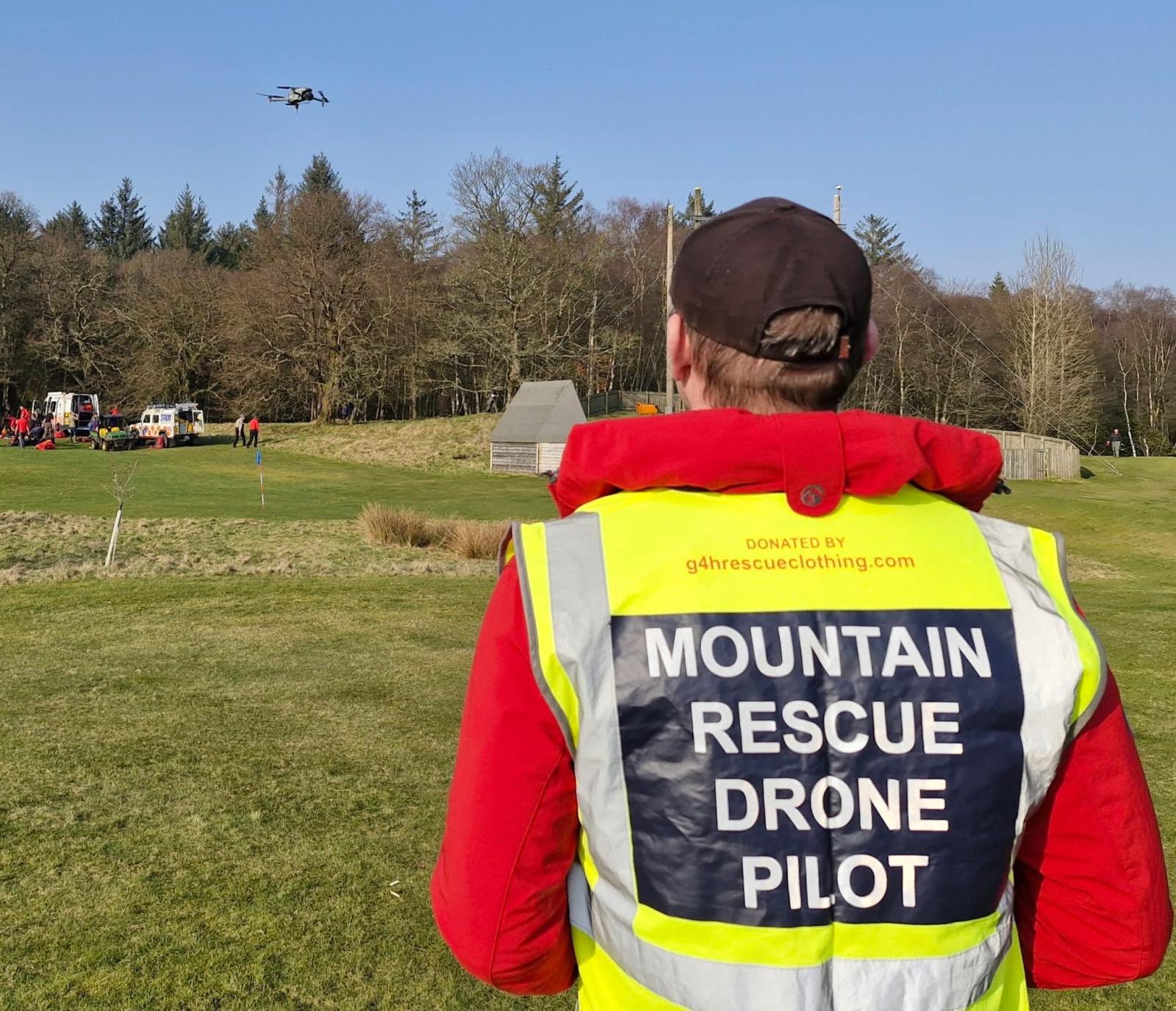
Search and rescue has always depended on people who are prepared to go out in difficult conditions to help others. In our hills and remote countryside, that can mean volunteers walking for hours, often at night, in poor weather, looking for someone who may be cold, injured or lost. Increasingly, however, they have another tool available to them: the drone.
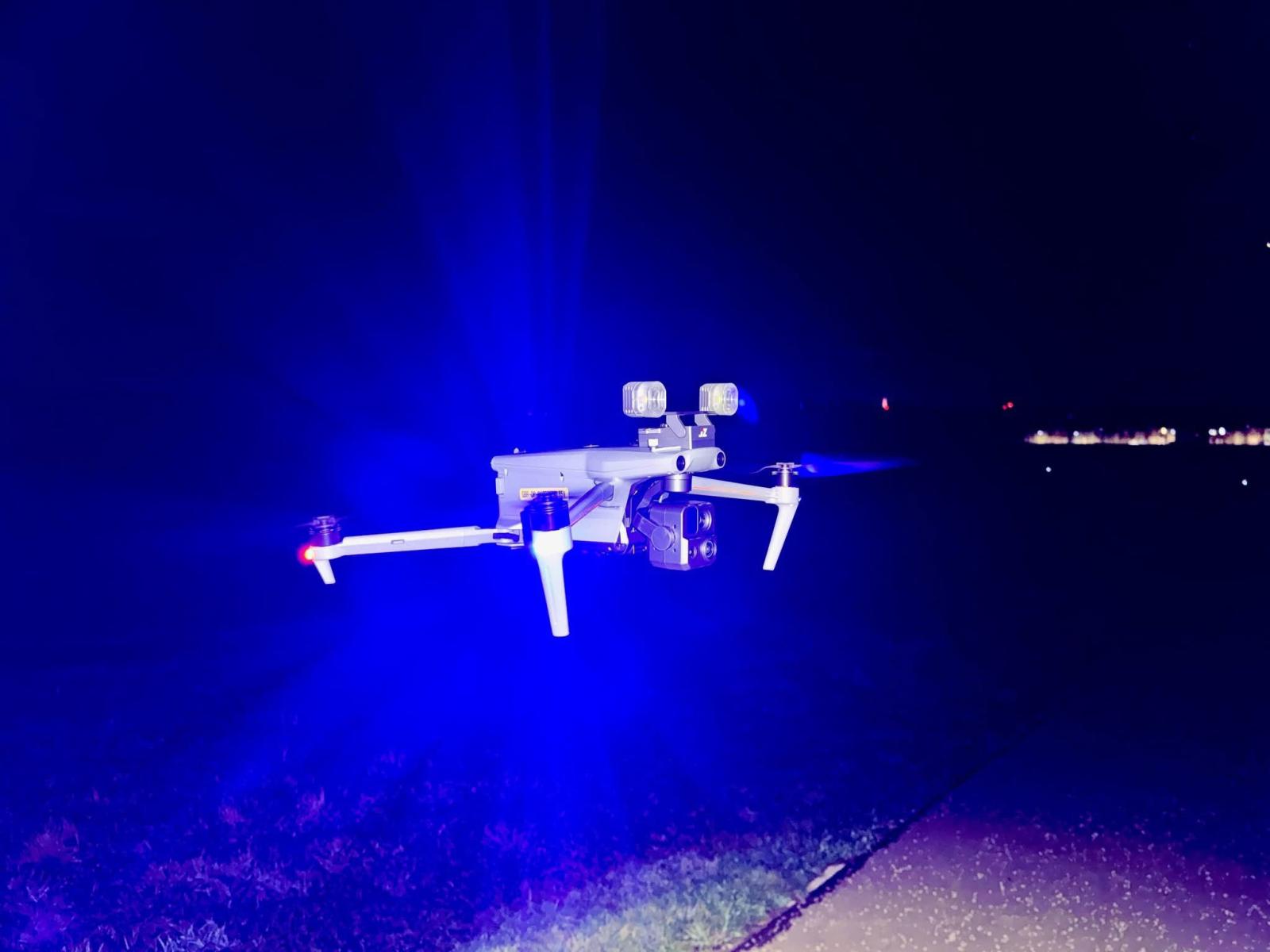
A modern search-and-rescue drone can be an incredibly useful asset. Equipped with high-resolution cameras, powerful zoom lenses and, in some cases, thermal imaging, drones can cover large areas of difficult terrain remarkably quickly. A thermal camera can detect the heat signature of a person, even in darkness or through vegetation, potentially locating someone who would be almost impossible to spot from the ground.
The biggest advantage is the speed with which a drone can search an area. A small team on foot might take several hours to cover a hillside, whereas a drone can survey the same area in minutes. This doesn't replace search teams, but it allows them to concentrate their efforts where they are most likely to be needed.
Drones can also be useful before rescuers arrive at a casualty. From the air, an operator can assess terrain, identify hazards and help determine the safest route in. In difficult or remote locations, this information can be invaluable. During floods or other environmental emergencies, drones can provide an aerial picture of roads, bridges and isolated properties without putting people at unnecessary risk.
There are, of course, limitations. Drones depend on battery power and can be affected by strong winds, heavy rain and low cloud. Thermal imaging isn't magic either; trees, buildings and other obstacles can hide a person. Skilled operators are therefore essential, and drones are most effective when integrated into a properly organised search operation.
There is also an important human element. A drone may find the casualty, but it is still the people on the ground who provide first aid, reassurance and ultimately bring them to safety. The technology simply gives rescuers better information and, potentially, precious extra time.
For rural communities such as ours, this is an exciting development. Search and rescue will always require courage, experience and teamwork, but drones are becoming another valuable member of the team—one that can search from above, see in the dark and reach places that people cannot.
Used properly, they don't replace the rescuers. They help rescuers find people sooner and bring them home safely.
We are currently fund-raising for a BSARU drone, which is going to come in somewhere in the region of £10,000 - £13,000 depending on the bells and whistles, and already have two team-members trained and licenced to use it.